Seasonal Closet Swaps
Introduction: Time to Rotate That Wardrobe
The seasons are changing. That means it’s time to rotate your wardrobe. Don’t cram everything into one closet year-round. Doing so creates chaos and leaves no room to breathe—literally or visually.
Seasonal swaps keep your space functional. They also help protect your wardrobe from damage. When you store off-season clothing properly, you avoid clutter and make daily outfit choices faster. A few smart habits can make a big difference. Let’s walk through how to store, organize, and manage your off-season clothing.
Why Seasonal Closet Swaps Matter
First, let’s talk about why you should even bother. Closet swaps are more than just a tidy-up.
When you store off-season clothing, you free up space. With fewer items in your closet, it’s easier to see and access your current favorites. This also prevents damage from overcrowding—no more crushed collars or wrinkled sweaters.
Swapping also reduces decision fatigue. You no longer sift through snow pants in July or tank tops in December. When your closet matches the season, getting dressed becomes effortless.
Finally, it boosts your mood. A clean, organized closet feels good. And who doesn’t want that?
Prep and Sort Before You Store
Before you store off-season clothing, prep each item. This step matters more than most people think.
Start by washing or dry-cleaning everything. Dirt, sweat, and oils can stain or attract pests if left behind. Next, check for damage. Repair missing buttons, loose threads, or broken zippers now, not later.
As you go, create three piles: keep, donate, and toss. If something doesn’t fit or hasn’t been worn in a year, donate it. Clothes with irreparable damage? Toss or recycle them.
This process keeps your storage clutter-free. Plus, it makes your future seasonal swaps faster.
Use the Right Storage Tools
Storage tools make or break your seasonal system. Choose them wisely to keep everything safe and easy to access.
First, use clear plastic bins with secure lids. These keep dust and pests out while letting you see what’s inside. Label each bin by season or item type—think “Fall Sweaters” or “Summer Dresses.”
Next, invest in breathable garment bags for delicate items. They’re ideal for formal wear, wool, or anything prone to moth damage. Avoid plastic dry-cleaning bags, which trap moisture.
Also skip grocery bags or cardboard boxes. These offer no protection and can attract mold, pests, or both.
When you store off-season clothing the right way, it stays clean, protected, and ready for next season.
Store Off-Season Clothing in Smart, Designated Zones
Now that everything’s clean and packed, where should it all go?
Start with upper shelves. These are perfect for storing bins out of daily reach. You can also use under-bed containers for overflow, especially for bulky sweaters or boots.
If you have a linen closet or spare room, consider dedicating space there. Just make sure the spot is dry and cool. Avoid garages, basements, or attics unless they’re climate-controlled. Heat and humidity can ruin your clothes fast.
By keeping your zones consistent, future swaps will be a breeze.
Closet Features That Make It Easier to Store Seasonal Clothing
Want to make seasonal swaps even easier? Upgrade your closet with thoughtful features.
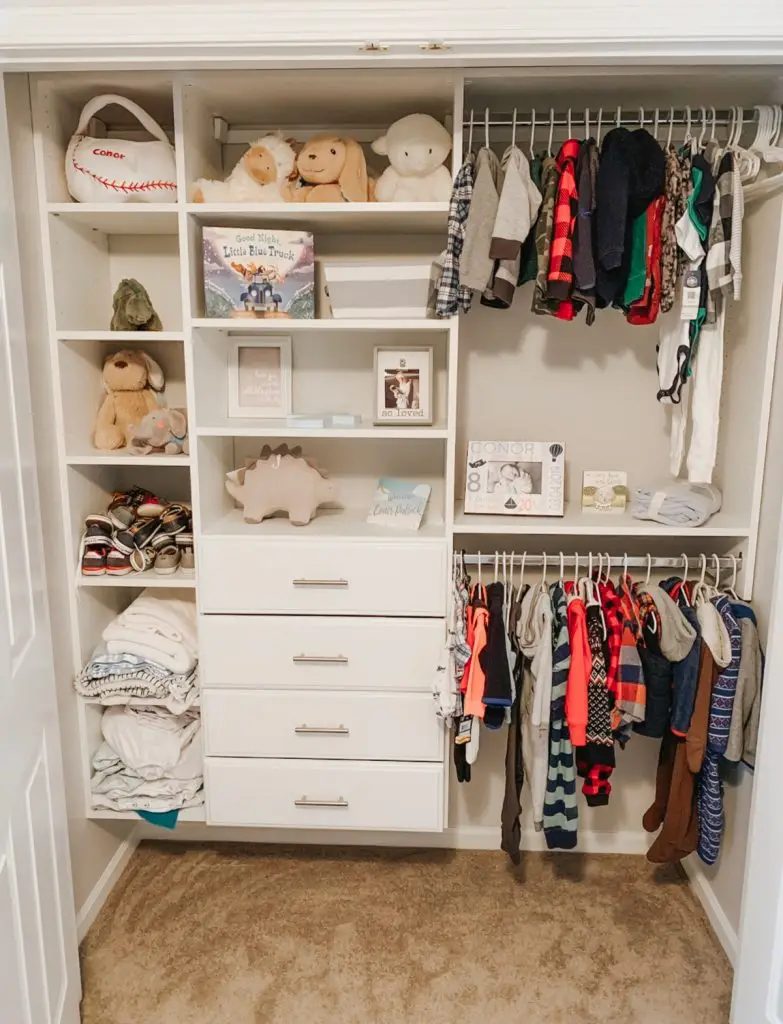
Built-in cubbies or labeled baskets help sort clothes by type. Adjustable shelves and hanging rods allow flexibility as your wardrobe changes. Use stackable bins to separate shoes, accessories, or kids’ items.
Add-ons can also help. Try shoe racks, over-the-door hooks, or vertical scarf holders. These tools keep everything accessible and tidy, even in small spaces.
Closets designed with seasonal swaps in mind make it easier to store off-season clothing every time the weather changes.
Bonus Tips for Kids’ Seasonal Items
Kids grow fast, and so do their closets. Seasonal swaps can save time and sanity—if done right.
Start by syncing swaps with the school calendar. Back-to-school is a great time to rotate in fall clothes. Spring break works well for summer prep.
Store outgrown items separately. Label a bin for donation or pass-alongs to siblings or friends. Keeping them out of your main storage prevents confusion and clutter.
Make swaps part of your family routine. Involve kids when possible so they learn organization early.
These small habits help keep the whole household running smoother.
Conclusion: Seasonal Swaps Without the Stress
Seasonal closet swaps don’t have to be stressful. With a bit of prep and the right tools, you can store off-season clothing like a pro.
The benefits are huge—more space, less clutter, and clothes that stay in great shape. Smart storage keeps your closet clean and your mornings simple.
Need help designing a closet that works in every season? Get Organized can help you build a system that makes seasonal swaps easy, efficient, and even enjoyable.
Let’s create a closet that works with your life—not against it. Schedule a consultation with Get Organized today!

Ready To Get Started? Get a Free Quote!
through the rest of the process.